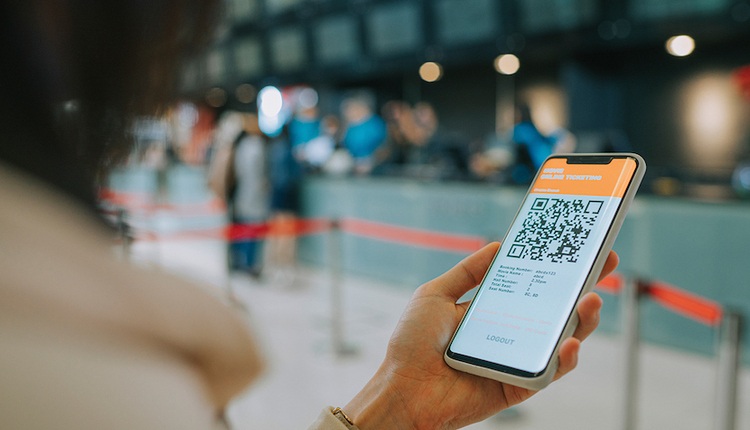
As the pendulum continues to swing away from paper to eBilling, it is important to know the total value of eDelivery vs. paper.
Clearly, there is a cost savings, turning a 50-plus cent bill into a fraction of that. And, of course, everyone talks about the environmental benefit of saving trees, water, energy and solid waste disposal–all of which go into creating paper and the delivery of bills by the Postal Service.
MORE: Four ePayment Trends to Reduce Collection Costs and Improve Cash Flow
But eBilling is more than about direct cost savings and the environment, it is about business process improvements; better customer communications; stronger customer loyalty; creating new sales opportunities; and it is about cash flow.
The carrot or the stick?
It is important to know about the true total benefits, as management decides to take a neutral, carrot-or-stick approach to eBilling adoption.
The stick: Companies have tried but often retreat from charging for paper delivery at the risk of customers being disenfranchised and going to another vendor. This may work temporarily, but the lasting value is questionable and is risky to the core business, as it tends to anger customers.
Neutral: Most companies take a more neutral approach, providing customers the option for eBilling and, perhaps, defaulting them to eBilling. From time to time, they will hold contests to sign up and, thus, achieve temporary blips in adoption growth before falling back to the historical trends. The big risk here is the lost opportunity. Every paper bill going out the door is like water going over a dam, the benefits never to be retrieved.
The carrot: The last group is the most interesting. Companies have started offering financial incentives for customers to sign up for eBilling/eDelivery. With incentives as high as five percent, management clearly believes that the total savings is much larger than the cost savings alone. At a five percent customer discount, the benefit has to be huge, so let’s take a look.
I am going to break the value propositions into seven categories. Each category could stand on its own, but putting them together can make adoption of eBilling and eDelivery important to almost every company function. Next month, I will expand on each of these areas.
1. Hard-dollar cost savings
2. Better customer communications
3. Corporate image/carbon footprint
4. Business process improvements
- a. Customer enhancements
- b. Company enhancements
5. Better cash flow
6. Better customer experience and customer loyalty
7. Cross-selling opportunities
Each of these can be a good reason for wanting a customer to go paperless. The sum of them all far outweighs the simple hard-dollar savings, and companies are starting to take notice. The hard part is to get all of the interested players, all with their individual goals and objectives, to come together to support the company, not just their silo.
At the end of the day there are just three key questions to ask yourself and your team:
1. What is the value/cost of a paperless customer vs. a paper customer?
2. Is the expense/pain significant enough to do something about it (i.e., is it a priority)?
3. What is the most cost effective way go get more customers to make the switch to paperless billing and payment, in the least amount of time with the least amount of effort and cost?